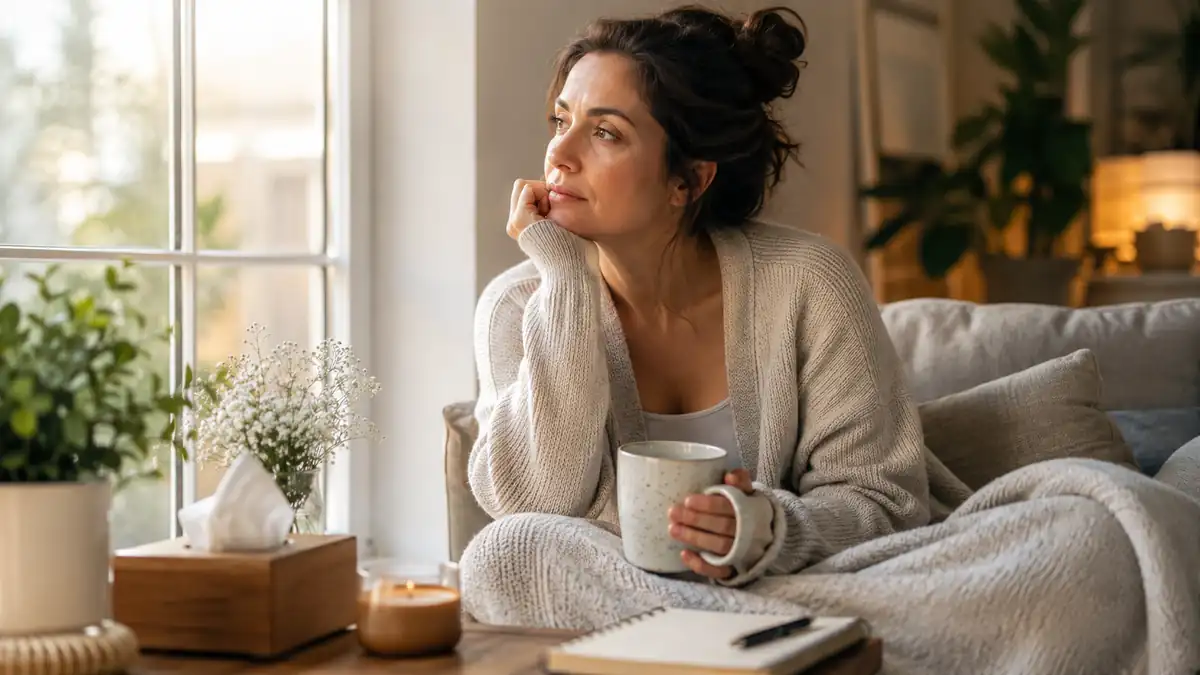
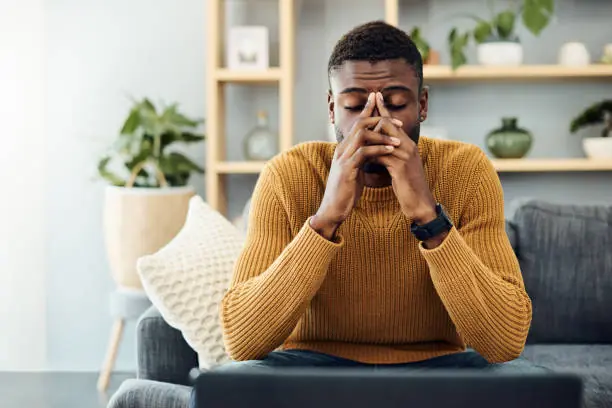
Stress and anxiety have become a normal part of modern life, but when they begin affecting your sleep, focus, mood, or physical health, it’s important to take action. Learning how to manage daily stress and reduce anxiety symptoms can improve your mental well-being, relationships, productivity, and overall quality of life.
In this guide, we’ll cover practical stress management techniques, healthy lifestyle habits, and natural ways to reduce anxiety so you can feel calmer, more balanced, and more in control each day.
What Is Stress and Anxiety?
Stress is your body’s natural response to pressure or challenging situations. Anxiety is a feeling of worry, nervousness, or fear that can sometimes persist even when there’s no immediate threat.
While occasional stress is normal, chronic stress and ongoing anxiety symptoms can negatively affect both your mental and physical health.
Common Symptoms of Stress and Anxiety
People experiencing stress and anxiety may notice:
- Racing thoughts
- Trouble sleeping
- Muscle tension
- Fatigue
- Irritability
- Difficulty concentrating
- Increased heart rate
- Overthinking
- Headaches
- Digestive issues
Recognizing these symptoms early can help prevent them from becoming overwhelming.
1. Practice Deep Breathing Techniques
One of the fastest ways to reduce anxiety symptoms is through controlled breathing exercises. Deep breathing helps calm your nervous system and signals your body to relax.
Try this simple breathing method:
- Inhale slowly for 4 seconds
- Hold for 4 seconds
- Exhale slowly for 6 seconds
- Repeat for 2–5 minutes
Breathing exercises can help reduce stress levels almost immediately and are easy to practice anywhere.
2. Create a Healthy Daily Routine
A consistent routine can help reduce uncertainty and create a sense of stability. When your day feels organized, your mind often feels calmer too.
Healthy daily habits include:
- Waking up at the same time each day
- Eating balanced meals
- Scheduling breaks during work
- Limiting screen time before bed
- Staying hydrated
- Prioritizing sleep
Building structure into your day can improve emotional balance and reduce feelings of overwhelm.
3. Exercise Regularly for Stress Relief
Physical activity is one of the most effective natural remedies for stress and anxiety. Exercise releases endorphins, improves mood, and lowers cortisol levels.
Some great stress-reducing exercises include:
- Walking outdoors
- Yoga
- Strength training
- Swimming
- Dancing
- Stretching routines
Even 20–30 minutes of movement daily can make a noticeable difference in your mental health.
4. Improve Sleep Quality
Poor sleep and anxiety often go hand in hand. Lack of rest can increase stress levels and make anxiety symptoms worse.
To improve sleep naturally:
- Avoid caffeine late in the day
- Keep your bedroom cool and dark
- Create a relaxing nighttime routine
- Avoid scrolling on your phone before bed
- Try meditation or calming music
Quality sleep supports emotional regulation and helps your body recover from stress.
5. Limit Social Media and News Consumption
Constant exposure to negative news and social media comparisons can increase stress and anxiety. Taking intentional breaks from digital content can help improve your mental clarity and emotional health.
Consider:
- Setting screen time limits
- Unfollowing stressful accounts
- Taking social media detox days
- Spending more time offline
Reducing digital overload can create a calmer and more focused mindset.
6. Practice Mindfulness and Meditation
Mindfulness helps bring your attention back to the present moment instead of worrying about the future.
Benefits of mindfulness include:
- Reduced anxiety symptoms
- Improved focus
- Better emotional control
- Lower stress levels
You can practice mindfulness through:
- Guided meditation apps
- Journaling
- Quiet reflection
- Gratitude exercises
- Body scan meditation
Even a few minutes daily can positively impact your mental well-being.
7. Eat Foods That Support Mental Health
Your diet can affect your mood, energy levels, and stress response. Eating nutrient-rich foods may help support brain function and emotional balance.
Foods that may help reduce stress naturally include:
- Leafy greens
- Salmon and omega-3-rich foods
- Nuts and seeds
- Whole grains
- Berries
- Herbal teas
Limiting excessive sugar, alcohol, and caffeine may also help reduce anxiety symptoms.
8. Talk to a Mental Health Professional
If stress and anxiety begin interfering with your daily life, speaking with a therapist or mental health professional can provide valuable support.
Professional treatment options may include:
- Cognitive Behavioral Therapy (CBT)
- Stress management counseling
- Anxiety treatment plans
- Lifestyle coaching
- Medication when appropriate
Seeking help is a proactive step toward better mental health and emotional wellness.
Final Thoughts on Managing Stress and Anxiety
Learning how to manage daily stress and reduce anxiety symptoms takes time, consistency, and self-awareness. Small lifestyle changes can have a major impact on your emotional and physical health.
By practicing healthy habits like exercise, mindfulness, quality sleep, and stress management techniques, you can build resilience and feel more in control of your daily life.
If anxiety symptoms persist or worsen, don’t hesitate to seek professional support. Prioritizing your mental health is one of the most important investments you can make in your overall well-being.