

What is Trauma?
Trauma is an emotional response to a terrifying and dangerous event, which threatens and harms an individual’s well-being, safety, or even life. Traumatic events include experiences like accidents, abuse, violence, natural disasters, war, or the loss of a loved one.
Trauma can take many forms:
- Acute trauma: Exposure to A single traumatic event like an accident, natural disaster, assault, or loss of a loved one.
- Complex trauma: Repeated exposure to traumatic events over a long period, e.g., childhood abuse, domestic violence, war.
- Secondary trauma: Witnessing trauma happen to another person or as the trauma is experienced collectively/by a group of people. Common in first responders, crisis workers, and therapists.
- Generational trauma: Trauma passed through generations. Includes events like genocide, slavery, and forced relocation.
The Impact/symptoms of Trauma Can Be Severe
The wounds of trauma run deep. They can persist for years and include symptoms like:
- Severe anxiety, especially hypervigilance, and exaggerated startle response
- Flashbacks, nightmares, intrusive memories
- Depression and difficulty feeling positive emotions
- Insomnia or sleep disturbances
- Difficulty trusting others or forming close relationships
- Physical symptoms like nausea, rapid heartbeat, sweating
According to the National Council for Mental Health, 70% of adults in the U.S. have experienced some traumatic event in their lifetime at least once. In addition, according to the Substance Abuse and Mental Health Services Administration, 61% of men and 51% of women have reported experiencing at least one traumatic event in their lives.
The Road to Healing
While trauma changes you forever, it does not have to define you. The path to healing requires professional support, courage, and a commitment to self-care. Help is absolutely available; you simply have to take that first brave step to ask for it.
- Speaking with a trauma-informed therapist or counselor allows you to process memories, develop coping strategies, and find your own strength and resilience.
- Group therapy or support groups provide a connection with others who share your experiences.
- Mind-body practices like yoga, meditation, art, or music therapy help regulate emotions and connect with a sense of inner peace.
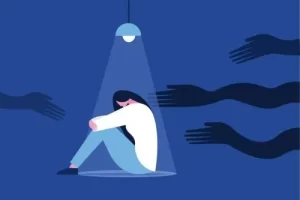
There will be setbacks, but through compassion and perseverance, you can overcome trauma to live a life filled with hope, meaning, and deep relationships. You deserve to feel joy again—and there are so many resources ready to help you on your journey of healing and growth. Please ask for help right away. Happiness awaits, and the world needs your light. There is so much hope and healing ahead!