Managing Seasonal Stress
Managing Seasonal Stress: How to Care for Your Mental Health This Fall and Winter
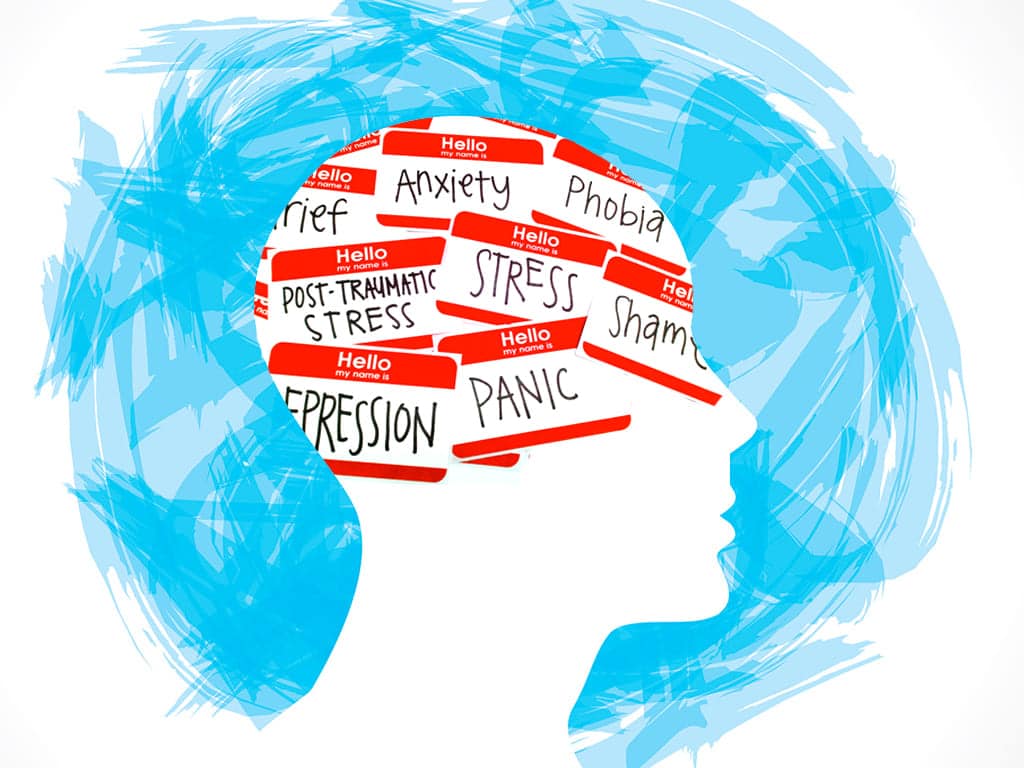
As the days grow shorter and the temperatures drop, many people notice subtle shifts in their energy, mood, and daily routines. Some of these changes are normal — the darker evenings and busier schedules of fall can throw anyone off balance. But for others, the seasonal transition can bring on stress, anxiety, or even symptoms of depression.
This phenomenon is so common that it has a name: seasonal stress. It may show up as irritability, lack of motivation, or physical symptoms like headaches and trouble sleeping. Left unchecked, seasonal stress can interfere with your work, school, and relationships.
The good news is that you’re not powerless. By understanding the causes of seasonal stress and taking proactive steps to care for your mental health, you can ease the burden and set yourself up for a healthier, more balanced season.
Why Seasonal Stress Happens
There are several reasons why stress tends to spike in the fall and winter months:
- Less daylight: Reduced exposure to sunlight can affect the body’s production of melatonin and serotonin, the hormones that regulate sleep and mood.
- Busy schedules: School activities, work deadlines, and upcoming holidays can create packed calendars and mounting pressure.
- Financial strain: Costs associated with holidays, heating bills, and seasonal travel can add extra stress.
- Weather changes: Colder weather often means less time outdoors and less physical activity, which can impact mood and energy levels.
- Social shifts: Some people feel more isolated during the colder months, especially if they live far from family or don’t have strong social support.
While stress is a natural response to life’s challenges, chronic or seasonal stress can take a toll on both mental and physical health.
Recognizing the Signs of Seasonal Stress
Everyone experiences stress differently, but here are some common warning signs to look out for:
- Emotional signs: irritability, sadness, anxiety, or feeling overwhelmed.
- Cognitive signs: trouble concentrating, racing thoughts, forgetfulness.
- Physical signs: headaches, stomachaches, tense muscles, trouble sleeping.
- Behavioral signs: withdrawing from friends, eating more or less than usual, skipping exercise, increased use of alcohol or caffeine.
If you notice these patterns persisting for more than a couple of weeks, it’s worth taking them seriously and exploring strategies to manage them.
Strategies to Manage Seasonal Stress
1. Keep a Consistent Routine
Consistency is one of the most powerful tools for managing stress. Try to maintain regular sleep and wake times, even on weekends. Eat meals at roughly the same time each day. A predictable routine helps stabilize your body’s internal clock and reduces uncertainty, which can fuel stress.
2. Prioritize Sleep
Aim for 7–9 hours of quality sleep each night. Poor sleep not only worsens stress but also affects concentration, immunity, and overall health. Create a calming bedtime routine by turning off screens 30–60 minutes before bed, dimming the lights, and doing a relaxing activity like reading or stretching.
3. Get Daylight Exposure
Even on cloudy days, outdoor light is stronger than indoor light. Try to spend at least 15–30 minutes outside each morning. Open curtains during the day to maximize natural light. For some people, light therapy lamps can be useful for improving mood and energy.
4. Stay Active
Exercise is one of the most effective stress-busters. Physical activity releases endorphins, which are natural mood elevators. You don’t need an intense workout — brisk walking, yoga, or dancing in your living room all count. Aim for 20–30 minutes of movement most days.
5. Practice Stress Management Techniques
Build small moments of relaxation into your day. Deep breathing, meditation apps, progressive muscle relaxation, or simply journaling your thoughts can calm the nervous system. Even 5–10 minutes can make a difference.
6. Maintain Social Connections
When it’s cold outside, it’s easy to hibernate. But connection with others is essential for mental health. Schedule regular check-ins with friends, join a group activity, or volunteer locally. Even short conversations with neighbors or coworkers can help reduce feelings of isolation.
7. Limit Alcohol, Caffeine, and Sugar
These substances can give a short-term boost but ultimately increase anxiety and disrupt sleep. Try to balance them with water, herbal teas, or nutrient-rich snacks like fruit and nuts.
8. Set Realistic Expectations
Holidays and year-end tasks can make people feel like they need to do everything perfectly. Give yourself permission to say no, delegate tasks, and let go of unrealistic expectations. Focus on what truly matters and brings you joy.
When Seasonal Stress Becomes More
Sometimes, what feels like seasonal stress may actually be a more significant mental health condition, such as Seasonal Affective Disorder (SAD) or an anxiety or depressive disorder. Warning signs include:
- Persistent sadness most of the day, nearly every day.
- Loss of interest in activities you normally enjoy.
- Major changes in appetite or sleep.
- Difficulty functioning at work or school.
- Thoughts of hopelessness.
If these symptoms sound familiar, it’s important to seek professional help. A healthcare provider can determine whether you’re dealing with seasonal stress, SAD, or another condition, and guide you toward effective treatment.
How All Day Medical Care Can Help
At All Day Medical Care, we believe in whole-person care that supports both your physical and mental health. Our behavioral health team offers:
- Stress and mood assessments.
- Individual therapy for anxiety, depression, or seasonal affective disorder.
- Integrated care with your primary provider to address both mental and physical needs.
- Telehealth visits so you can access support from the comfort of home.
By combining medical expertise with compassionate care, we help you find relief and strategies that fit your life.
Practical Prevention for Seasonal Stress
A few small adjustments in your daily life can make seasonal transitions easier year after year:
- Plan your calendar ahead of time to avoid last-minute overload.
- Incorporate regular exercise and outdoor breaks, even in short bursts.
- Use a light therapy lamp in the mornings if recommended.
- Build in downtime — schedule it like you would an appointment.
- Seek support early if you notice stress building.
The Bottom Line
Seasonal stress is common, but it doesn’t have to control your fall and winter. By keeping routines steady, caring for your body, and staying connected, you can reduce its impact. And if symptoms persist or feel overwhelming, professional help is available.
You deserve to feel your best year-round. If stress, anxiety, or low mood are interfering with your daily life, reach out today. Our team is ready to support you with compassionate care and effective strategies.
📍 All Day Medical Care — Gaithersburg, MD
📞 Call us at (301) 330-0006
💻 Book a behavioral health or primary care visit online