Secondary Trauma: Help Others, Protect Yourself

Reading Time: 3 min


What is Secondary Trauma

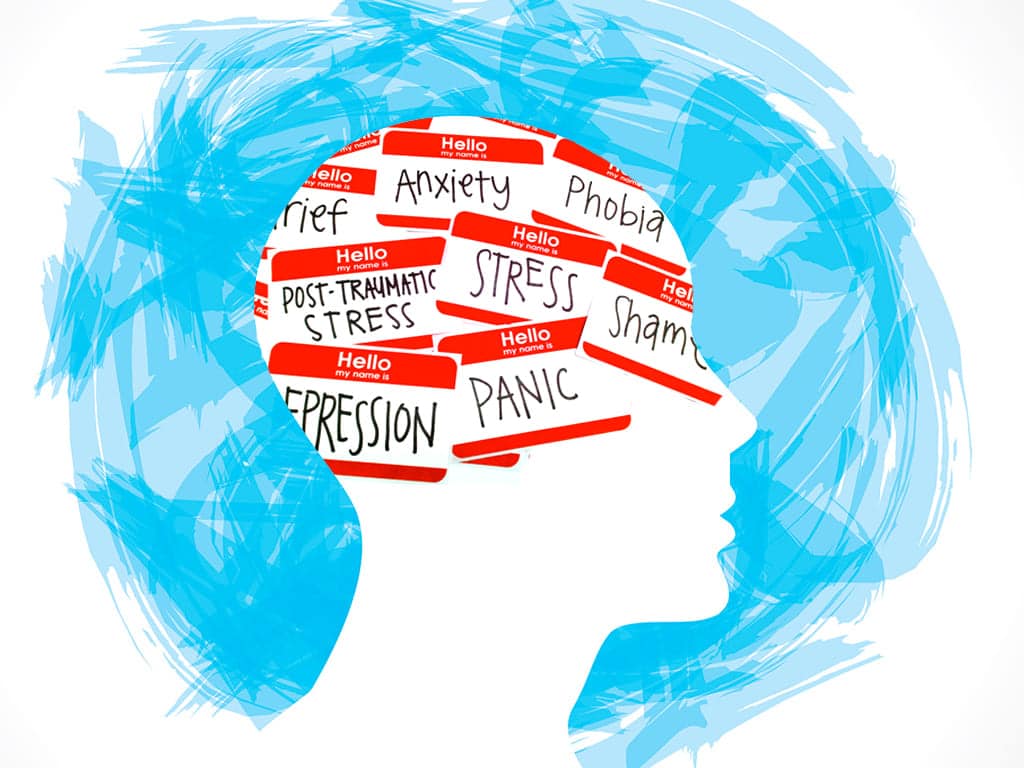
Secondary traumatic stress is the emotional duress that results when an individual hears about the firsthand trauma experiences of another. Secondary traumatic stress is a real and damaging issue for caregivers, first responders, and anyone helping those in crisis. While the instinct to rush in and help others in need is admirable, prolonged exposure to traumatic experiences can take a heavy emotional toll. The symptoms of secondary trauma mirror those of PTSD and include nightmares, hypervigilance, emotional numbness, and instability.

How is Secondary Trauma Starting

Constantly witnessing or hearing about traumatic events can be profoundly disturbing and scary over time. Family members, friends, and all types of caregivers are especially at risk of developing secondary trauma. However, unlike primary trauma, the pain of secondary trauma often goes unrecognized or is dismissed as irrational or hysterical. This is dangerous, as the underlying fear response is still triggered and demands a response.

For first responders, seeking help for secondary trauma is often stigmatized as a sign of weakness, making treatment less likely just when it’s needed most. For families, there is a tendency to self-sacrifice in the name of supporting relatives in crisis, creating a cycle of suffering that spans generations. However, just as you must put on your own oxygen mask first before helping others in an emergency, you must take care of yourself before you can properly care for people in distress.

We feel an obligation to rush in and rescue those suffering around us. This is human nature and the basis for strong social bonds. But we must ask ourselves tough questions like “How much can I give without breaking down myself?” and “Am I in the right frame of mind to provide meaningful help right now?”. When we lack the capacity to care for ourselves, we frequently end up doing more harm than good, becoming an additional burden rather than a source of relief.

How We Can Overcome Secondary Trauma

If you are experiencing nightmares, panic attacks, depression , or increased alcohol/drug use due to another person’s trauma, do not ignore these signs. Seek counseling or call emergency services right away. You do not have to deal with this alone. Practice self-care, set clear boundaries, limit exposure to traumatic details when possible and ask others for help when you need it. Only by maintaining your own stability can you be securely anchored enough to support others in crisis.

Recognizing the signs of secondary trauma in yourself and accessing the proper help and support is critical. You deserve to feel safe, secure, and able to cope, even when serving as a lifeline for those suffering around you. Please reach out – there are people and resources to help you through this. You matter, and the world needs more trauma-informed caregivers. But to fill that role, you must start by caring for yourself. Call or schedule an appointment with our therapist at All Day Medical Care Clinic — you don’t have to suffer the emotional wounds of secondary trauma alone when there are caring professionals ready to help you heal!

References

Hyden, S., Wong, M., Langley, A., Stein, B., & Kataoka, S. (2015). Preventing Secondary Stress in Educators. Child and Adolescent Psychiatric Clinics of America, 24(2), 319-333.

Keenan, P., & Royle, L. (2008). Vicarious Trauma and First Responders: A Case Study Utilizing Eye Movement Desensitization and Reprocessing (EMDR) as the Primary Treatment Modality. International Journal of Emergency Mental Health, 9(4), 291-298.

Raihani, N. J., & Bshary, R. (2015). Why Humans Might Help Strangers. Frontiers in Behavioral Neuroscience, 9(39).


VINCENT SULTENFUSS

Autor

VINCENT SULTENFUSS

Compassionate and insightful, Vincent Sultenfuss believes in the power of human connection. His mission is to help you become your best self.

How Suboxone Works to Treat Opioid Addiction

How Suboxone Works to Treat Opioid Addiction

See Your Doctor from the Comfort of Your Home

See Your Doctor from the Comfort of Your Home

Telehealth: The Advantages of Telemedicine

Telehealth: The Advantages of Telemedicine

Depression and Sleep Problems: How Are They Connected?

Depression and Sleep Problems: How Are They Connected?

Are Your Immunizations Up-to-Date?

Are Your Immunizations Up-to-Date?

How Mental Health Issues Affect Men Differently

How Mental Health Issues Affect Men Differently

Essential Screenings for Women’s Health Exams

Essential Screenings for Women’s Health Exams

Why Relationships Are Key to Well-Being

Why Relationships Are Key to Well-Being

Should I Be Tested for COVID-19?

Should I Be Tested for COVID-19?

What to Expect During Your First Well-Woman Exam

What to Expect During Your First Well-Woman Exam

Types of Work Injuries

Types of Work Injuries

10 Home Remedies for Strep Throat Symptoms

10 Home Remedies for Strep Throat Symptoms

Sore Throat vs Strep Symptoms: How To Tell The Difference

Sore Throat vs Strep Symptoms: How To Tell The Difference

What is Mindfulness? Best Practice for Greater Well-being

What is Mindfulness? Best Practice for Greater Well-being

Can Therapy Save My Marriage?

Can Therapy Save My Marriage?

STD Awareness: Popular Questions, Advice, Treatments

STD Awareness: Popular Questions, Advice, Treatments

What is RSV (Respiratory Syncytial Virus)

What is RSV (Respiratory Syncytial Virus)

Why Telehealth Is the Future of Convenient, Quality Care — And Why You Should Book Your Virtual Visit Today

Why Telehealth Is the Future of Convenient, Quality Care — And Why You Should Book Your Virtual Visit Today

What is Croup?

What is Croup?

Staying hydrated is just as important in fall and winter as it is in summer!

Staying hydrated is just as important in fall and winter as it is in summer!

Understanding What a Weight Management Program Involves

Understanding What a Weight Management Program Involves

What STD Tests Should I Consider?

What STD Tests Should I Consider?

How To Deal With Pet Allergies: Tips and Tricks

How To Deal With Pet Allergies: Tips and Tricks

How to Cope with Chronic Illness During the Holiday Season

How to Cope with Chronic Illness During the Holiday Season

9 Ways to Boost Your Immunity This Fall

9 Ways to Boost Your Immunity This Fall

Introduction to Stress and Its Impact on Health

Introduction to Stress and Its Impact on Health

The Importance of Getting Your Women’s Health Screening

The Importance of Getting Your Women’s Health Screening

Effective Heat Rash Treatment and Prevention

Effective Heat Rash Treatment and Prevention

The Top 7 Benefits of Choosing Telehealth for Your Family

What is Common Cold?

What is Common Cold?

 Rett Syndrome

 Rett Syndrome

Guide to Treatment-Resistant STDs for Active Adults

Guide to Treatment-Resistant STDs for Active Adults

What to Know When Heart Disease Runs in Your Family

What to Know When Heart Disease Runs in Your Family

Erectile Dysfunction – Everything You Need to Know

Erectile Dysfunction – Everything You Need to Know

Comprehensive Mental Health Treatment for All Disorders

Comprehensive Mental Health Treatment for All Disorders

Understanding ADHD: What You Need to Know

Understanding ADHD: What You Need to Know

Managing Seasonal Stress

7 Habits for Your Heart-Healthy Living

7 Habits for Your Heart-Healthy Living

Flu Season Is Here: Answers to Frequently Asked Questions

Flu Season Is Here: Answers to Frequently Asked Questions

15 Ways to Keep Your Brain Young and Healthy

15 Ways to Keep Your Brain Young and Healthy

What are Anger Issues?

What are Anger Issues?

Mastering ADHD: Strategies for Adults in Daily Life

Mastering ADHD: Strategies for Adults in Daily Life

Can You Get Sick From The Flu Shot?

Can You Get Sick From The Flu Shot?

Strep Throat Season: When to See a Doctor

Strep Throat Season: When to See a Doctor

Marathon Running Safety: How to Train Safely

Marathon Running Safety: How to Train Safely

5 Steps for Heart Health: Fight Coronary Disease

5 Steps for Heart Health: Fight Coronary Disease

12 Common Illnesses that Peak in the Fall 

12 Common Illnesses that Peak in the Fall 

6 Benefits of Group Therapy

6 Benefits of Group Therapy

Understanding Anxiety: What Is It?

Understanding Anxiety: What Is It?

Understanding Blood Pressure Readings

Understanding Blood Pressure Readings

This will close in 0 seconds

This will close in 0 seconds

This will close in 0 seconds

We'll text you

Enter your info and we’ll text you shortly.