Guide to Treatment-Resistant STDs for Active Adults

Reading Time: 2 min

Sexually transmitted diseases (STDs) can be a source of stigma and embarrassment, and, unfortunately, this often keeps people from getting the care they need to stay healthy.

Our providers at All Day Medical Care Clinic offer STD testing in a safe and judgment-free environment. And, while sexual health may not be easy to talk about, you can be assured that you’ll find kindness, compassion, and professionalism during every visit.

If you engage in any sexual activity, whether it’s oral, vaginal, or anal, here’s what you need to know about treatment-resistant STDs and how to avoid them.

What makes an STD “treatment-resistant”

To start, a wide range of diseases and infections spread through sexual contact. They typically fall into two categories: curable and incurable. 

Generally speaking, medicines can often cure STDs that are caused by bacteria, yeast, or parasites. Examples of these infections include:

  • Syphilis
  • Gonorrhea
  • Chlamydia
  • Trichomoniasis

STDs considered incurable often develop because of a virus. Those infections stay in the body forever, but the virus can become dormant (no longer active). Viral STDs include hepatitis B, herpes, human papillomavirus (HPV), and human immunodeficiency virus (HIV).

While this breakdown is fairly straightforward, a new challenge has emerged in recent years. Some STDs that once responded to antibiotic drugs have become increasingly resistant to them. 

This change, known as “treatment-resistant” STDs, means that some previously treatable STDs are becoming more challenging to treat despite existing medications. The three most common STDs in this category are gonorrhea, chlamydia, and syphilis.

Prioritizing your health

Studies show that approximately 68 million people have STDs in the United States — not including unreported infections — and 20 million new cases are diagnosed each year. Among those cases, half affect people ages 15-24. 

So, if you’re sexually active, there are some things you should do to help protect yourself and stay healthy.

Use protection

One way to help protect yourself from STD exposure is to use male and female condoms, whether you have oral, anal, or vaginal sex. 

Unlike other forms of birth control, plastic and latex condoms provide a barrier that limits skin-to-skin exposure and helps prevent contact between vaginal fluids and semen. This form of protection can reduce your exposure to most STDs, including chlamydia, gonorrhea, trichomoniasis, syphilis, and HIV.

Get Tested

The fact is, 1 in 5 people have an STD, and many don’t cause noticeable symptoms. Because of this, it’s essential to make regular STD testing part of your self-care regimen. We offer personalized recommendations on a case-by-case basis, but you should plan on testing:

  • When starting a new relationship
  • If you or your partner have multiple partners
  • When considering not using condoms, dental dams, or other barriers
  • If a partner cheats on you
  • When you have signs of an STD or learn a partner was infected
  • If you use intravenous drugs and share s

Have you been tested lately? If not, get professional, compassionate care by booking an appointment online or over the phone with All Day Medical Care Clinic today.

All Day Medical Care Clinic Team

Autor

All Day Medical Care Clinic Team

10 Critical Dehydration Signs & Prevention Tips

10 Critical Dehydration Signs & Prevention Tips

Introduction to Stress and Its Impact on Health

Introduction to Stress and Its Impact on Health

How to Know if You Have an Urgent Care Need

How to Know if You Have an Urgent Care Need

What to Do After a DUI in Maryland: A Step-by-Step Guide

What is RSV (Respiratory Syncytial Virus)

What is RSV (Respiratory Syncytial Virus)

Importance of Mental Health Awareness for Healthcare Workers

Importance of Mental Health Awareness for Healthcare Workers

Telehealth: The Advantages of Telemedicine

Telehealth: The Advantages of Telemedicine

See Your Doctor from the Comfort of Your Home

See Your Doctor from the Comfort of Your Home

9 Ways to Boost Your Immunity This Fall

9 Ways to Boost Your Immunity This Fall

Can You Get Sick From The Flu Shot?

Can You Get Sick From The Flu Shot?

Dizziness: Causes, Symptoms & Treatment

Dizziness: Causes, Symptoms & Treatment

Work Injury? Get Evaluated and Plan Your Recovery

Work Injury? Get Evaluated and Plan Your Recovery

Why Relationships Are Key to Well-Being

Why Relationships Are Key to Well-Being

Flu Season Is Here: Answers to Frequently Asked Questions

Flu Season Is Here: Answers to Frequently Asked Questions

What Is the Difference Between Behavioral Health and Mental Health?

What Is the Difference Between Behavioral Health and Mental Health?

Tips for a Stress-Free and Enjoyable Holiday Season

Tips for a Stress-Free and Enjoyable Holiday Season

What STD Tests Should I Consider?

What STD Tests Should I Consider?

Understanding ADHD: What You Need to Know

Understanding ADHD: What You Need to Know

Parent’s Guide to Teen Depression

Parent’s Guide to Teen Depression

The Importance of Well-Baby Care

The Importance of Well-Baby Care

Guide to Treatment-Resistant STDs for Active Adults
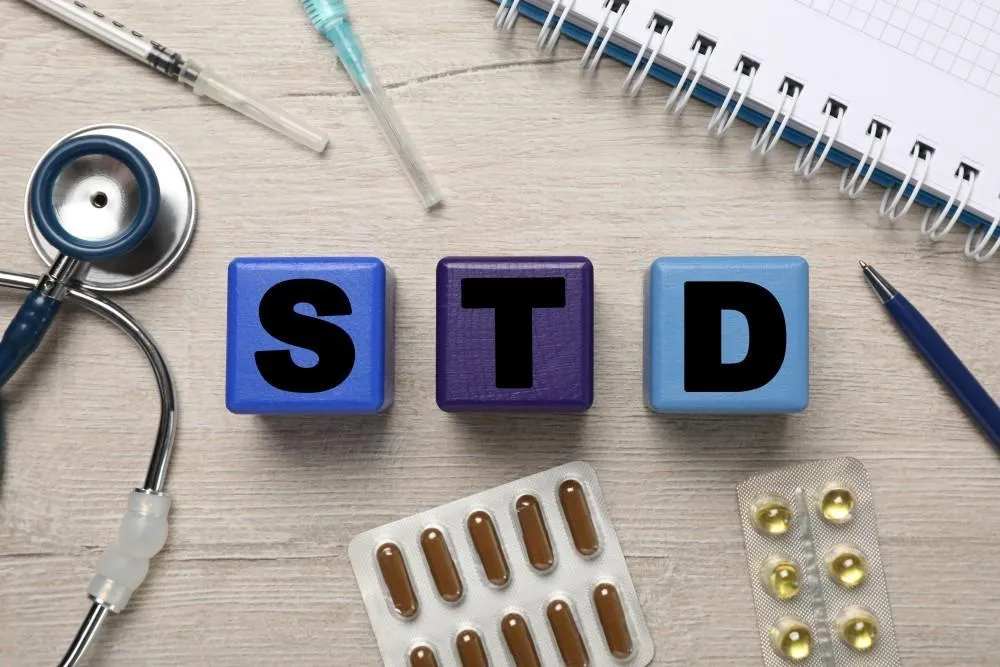
Guide to Treatment-Resistant STDs for Active Adults

Secondary Trauma: Help Others, Protect Yourself

Secondary Trauma: Help Others, Protect Yourself

15 Ways to Keep Your Brain Young and Healthy

15 Ways to Keep Your Brain Young and Healthy

Managing Seasonal Stress

9 Tips to Live a Healthy Lifestyle – And Why It’s Important

9 Tips to Live a Healthy Lifestyle – And Why It’s Important

Effective Heat Rash Treatment and Prevention

Effective Heat Rash Treatment and Prevention

How Stress Can Increase Your Risk for Heart Disease

How Stress Can Increase Your Risk for Heart Disease

Strengthen Your Relationship with Couples Counseling

Strengthen Your Relationship with Couples Counseling

What is Mindfulness? Best Practice for Greater Well-being

What is Mindfulness? Best Practice for Greater Well-being

When Should I Go to the ER Instead of Urgent Care?

When Should I Go to the ER Instead of Urgent Care?

What are Anger Issues?

What are Anger Issues?

Noncardiac Chest Pain: Symptoms, Causes and Treatments 

Noncardiac Chest Pain: Symptoms, Causes and Treatments 

The Top 7 Benefits of Choosing Telehealth for Your Family

5 Signs Your Anxiety is Problematic

5 Signs Your Anxiety is Problematic

Boosting Immunity for Flu Season

Boosting Immunity for Flu Season

Sore Throat vs Strep Symptoms: How To Tell The Difference

Sore Throat vs Strep Symptoms: How To Tell The Difference

How to Treat Strep Throat at Home: Effective Natural Remedies & When to Seek Care

Protect Your Heart and Health: The Importance of Getting a Flu Shot

Protect Your Heart and Health: The Importance of Getting a Flu Shot

The Importance of Self-Care In Managing Stress

The Importance of Self-Care In Managing Stress

Essential Screenings for Women’s Health Exams

Essential Screenings for Women’s Health Exams

Common Viruses in Children: 7 Infections Kids Pick Up at School

Common Viruses in Children: 7 Infections Kids Pick Up at School

Should I Be Tested for COVID-19?

Should I Be Tested for COVID-19?

7 Habits for Your Heart-Healthy Living

7 Habits for Your Heart-Healthy Living

Flu vs. Common Cold vs. COVID‑19: How to Tell the Difference This Fall

Types of Work Injuries

Types of Work Injuries

The Importance of Relationship and Family Counseling

The Importance of Relationship and Family Counseling

Allergies in Kids: Symptoms & Treatment

Allergies in Kids: Symptoms & Treatment

STD Awareness: Popular Questions, Advice, Treatments

STD Awareness: Popular Questions, Advice, Treatments

How To Deal With Pet Allergies: Tips and Tricks

How To Deal With Pet Allergies: Tips and Tricks

Can Therapy Save My Marriage?

Can Therapy Save My Marriage?

This will close in 0 seconds

This will close in 0 seconds

This will close in 0 seconds

We'll text you

Enter your info and we’ll text you shortly.