
The Differences Between Flu and COVID-19

Reading Time: 2 min

At a glance, it can be easy to confuse the flu and COVID-19. After all, they’re both respiratory illnesses, they’re both contagious, and they’re both viral infections. However, despite these similarities, they also have numerous differences and can affect people in very different ways.In this blog, our team at All Day Medical Care Clinic offers these insights into COVID-19 and what sets it apart from the flu.

The similarities between COVID-19 and the flu

COVID-19 and the flu share many symptoms, including the following:

  • Cough
  • Sore throat
  • Stuffy or runny nose
  • Muscle aches
  • Headache
  • Fatigue
  • Fever
  • Nausea or vomiting, especially in children
  • Shortness of breath or trouble breathing

Both of these viruses also spread through respiratory droplets. This can occur from inhaling droplets from an infected person or by touching an infected surface and then touching your eyes, mouth, or nose.

Both of these infections can also cause serious complications, such as pneumonia, organ failure, heart attack, and even death.

While COVID-19 and the flu share several characteristics, they also have numerous differences.

That’s because very different viruses cause each of these infections.

The differences between COVID-19 and the flu

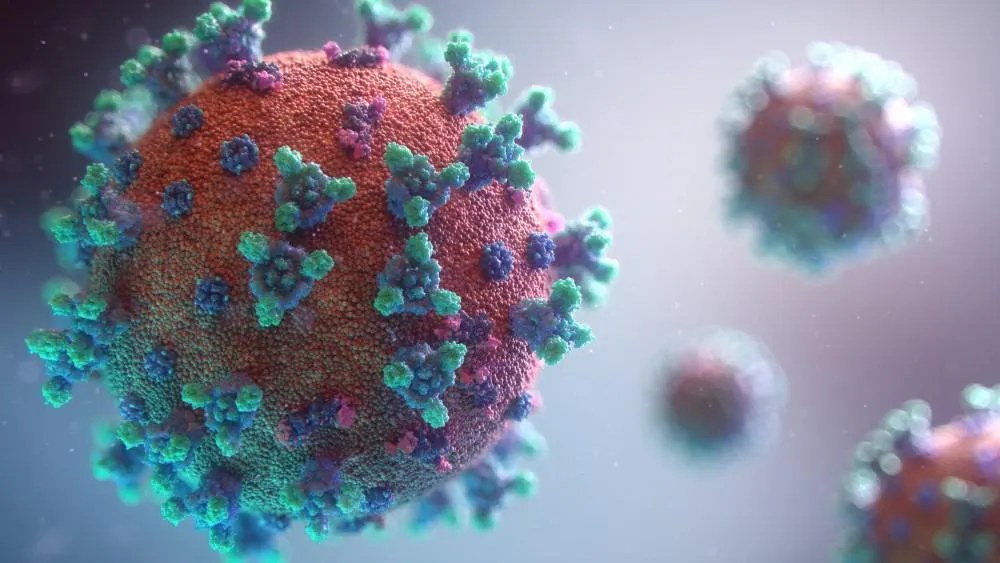
COVID-19 is caused by a new strain of coronavirus called SARS-CoV-2, whereas the flu is caused by influenza viruses. These viruses move from person to person the same way, and you can spread both without having symptoms. However, COVID-19 appears to spread quicker and be more contagious than the flu. Here are some other differences:

Onset of symptoms

When exposed to the flu, symptoms usually develop within 1-4 days. However, COVID-19 symptoms can arise 2-14 days after exposure, though they typically set in by day five. It’s also common for people with COVID-19 to experience changes in their smell and taste.

Risk of complications

COVID-19 infections also come with increased risks of severe illness, such as lung injury. Unfortunately, that means higher mortality rates. Between January 2020 and early March 2021, approximately 525,035 Americans died of COVID-19. For comparison, the World Health Organization estimates that between 290,000 and 650,000 people die of flu-related illnesses worldwide each year.

Treatment

While the U.S. Food and Drug Administration (FDA) has approved prescription antiviral drugs to help manage flu symptoms, treatments for COVID-19 are still evolving. The antiviral agent remdesivir received approval under Emergency Use Authorization, but the FDA hasn’t approved any drugs or therapies to treat COVID-19.

Vaccines

The flu and COVID-19 also require different vaccines, and getting one vaccination won’t protect you from both infections. Your annual flu vaccine also doesn’t guarantee protection against contracting influenza, but it reduces your risk for infection and serious complications.

The FDA has given emergency use authorization for three COVID-19 vaccinations. Like the flu vaccine, they can prevent you from getting COVID-19 or help keep you from developing dangerous health complications.

Reaching a diagnosis

The only way to know for sure if you have COVID-19 is through testing. If you have symptoms, think you were exposed, or have a trip planned, contact our office to learn more about our screening options.

Testing for COVID-19 is quick and simple. Depending on the screening you need, you can have results within 15 minutes or 2-4 days.

To learn more about COVID-19, book an appointment online or over the phone with All Day Medical Care Clinic today.

All Day Medical Care Clinic Team

Autor

All Day Medical Care Clinic Team

Flu vs. Common Cold vs. COVID‑19: How to Tell the Difference This Fall

How Suboxone Works to Treat Opioid Addiction

How Suboxone Works to Treat Opioid Addiction

Boosting Immunity for Flu Season

Boosting Immunity for Flu Season

Tips for a Stress-Free and Enjoyable Holiday Season

Tips for a Stress-Free and Enjoyable Holiday Season

5 Steps for Heart Health: Fight Coronary Disease

5 Steps for Heart Health: Fight Coronary Disease

Effective Heat Rash Treatment and Prevention

Effective Heat Rash Treatment and Prevention

Strengthen Your Relationship with Couples Counseling

Strengthen Your Relationship with Couples Counseling

How to Cope with Chronic Illness During the Holiday Season

How to Cope with Chronic Illness During the Holiday Season

Common Viruses in Children: 7 Infections Kids Pick Up at School

Common Viruses in Children: 7 Infections Kids Pick Up at School

The Importance of Self-Care In Managing Stress

The Importance of Self-Care In Managing Stress

Guide to Treatment-Resistant STDs for Active Adults

Guide to Treatment-Resistant STDs for Active Adults

What to Expect During Your First Well-Woman Exam

What to Expect During Your First Well-Woman Exam

The Importance of Relationship and Family Counseling

The Importance of Relationship and Family Counseling

Understanding Blood Pressure Readings

Understanding Blood Pressure Readings

Parent’s Guide to Teen Depression

Parent’s Guide to Teen Depression

Noncardiac Chest Pain: Symptoms, Causes and Treatments 

Noncardiac Chest Pain: Symptoms, Causes and Treatments 

How Can You Ease Back-to-School Anxiety and Stress?

How Can You Ease Back-to-School Anxiety and Stress?

How Setting Goals Can Positively Impact Our Mental Health

How Setting Goals Can Positively Impact Our Mental Health

What is Pink Eye (Conjunctivitis)?

What is Pink Eye (Conjunctivitis)?

Telehealth: The Advantages of Telemedicine

Telehealth: The Advantages of Telemedicine

Understanding Hepatitis B: Protecting Your Health and Future

12 Common Illnesses that Peak in the Fall 

12 Common Illnesses that Peak in the Fall 

Introduction to Stress and Its Impact on Health

Introduction to Stress and Its Impact on Health

Managing Seasonal Stress

Staying hydrated is just as important in fall and winter as it is in summer!

Staying hydrated is just as important in fall and winter as it is in summer!

How Often Should I Get a Physical?

How Often Should I Get a Physical?

10 Home Remedies for Strep Throat Symptoms

10 Home Remedies for Strep Throat Symptoms

The Top 7 Benefits of Choosing Telehealth for Your Family

7 Habits for Your Heart-Healthy Living

7 Habits for Your Heart-Healthy Living

Types of Work Injuries

Types of Work Injuries

Holiday Blues: How to Manage, When to Seek Help

Holiday Blues: How to Manage, When to Seek Help

Diet and Mental Health: How Nutrition Shapes Your Well-Being

Diet and Mental Health: How Nutrition Shapes Your Well-Being

6 Benefits of Group Therapy

6 Benefits of Group Therapy

What is Croup?

What is Croup?

 Rett Syndrome

 Rett Syndrome

Depression and Sleep Problems: How Are They Connected?

Depression and Sleep Problems: How Are They Connected?

The Importance of Getting Your Women’s Health Screening

The Importance of Getting Your Women’s Health Screening

How Stress Can Increase Your Risk for Heart Disease

How Stress Can Increase Your Risk for Heart Disease

STD Awareness: Popular Questions, Advice, Treatments

STD Awareness: Popular Questions, Advice, Treatments

What STD Tests Should I Consider?

What STD Tests Should I Consider?

Erectile Dysfunction – Everything You Need to Know

Erectile Dysfunction – Everything You Need to Know

Are Your Immunizations Up-to-Date?

Are Your Immunizations Up-to-Date?

Heart Health Screenings: Everything You Need to Know

Heart Health Screenings: Everything You Need to Know

9 Ways to Boost Your Immunity This Fall

9 Ways to Boost Your Immunity This Fall

5 Signs Your Anxiety is Problematic

5 Signs Your Anxiety is Problematic

How to Know if You Have an Urgent Care Need

How to Know if You Have an Urgent Care Need

What is Mindfulness? Best Practice for Greater Well-being

What is Mindfulness? Best Practice for Greater Well-being

Why Relationships Are Key to Well-Being

Why Relationships Are Key to Well-Being

Effects of the COVID-19 Pandemic on Mental Health, Anxiety, and Depression

Effects of the COVID-19 Pandemic on Mental Health, Anxiety, and Depression

Secondary Trauma: Help Others, Protect Yourself

Secondary Trauma: Help Others, Protect Yourself

This will close in 0 seconds

This will close in 0 seconds

We'll text you

Enter your info and we’ll text you shortly.